

| TL;DR: If you’ve asked an AI tool for the best motor insurance in India, you’ve probably noticed the same handful of names keep coming up: Acko, HDFC ERGO, Tata AIG, ICICI Lombard, and Policybazaar. We tested 35 motor insurance queries across ChatGPT, Gemini, and Perplexity to find out why. Two close examinations of those results revealed the patterns that made certain recommendations easier for AI to justify. This article breaks down what these brands are doing differently and outlines four practical strategies to improve your own motor insurance brand’s AI visibility. |
Most challenger insurers have this question sitting somewhere in the back of their mind: why does AI keep recommending the same five or six competitor brands, when everyone in this category offers nearly identical coverage?
People ask versions of this constantly, to Google, to their own marketing teams, and to agencies like ours. There’s content written around it too: comparison sites, “best car/bike/motor insurance company” listicles, IRDAI data breakdowns. Most of it lists the same insurers and repeats the same claim numbers everyone already knows.
None of that tells you why AI picked those specific brands, or what would need to change for it to pick yours instead.
So we went looking for real answers, then checked every claim those answers made against the actual insurer pages behind them. This article breaks down what we found, and the four strategies you can act on.
Before we get into what we found, here’s exactly how we tested it.
How We Tested Motor Insurance Recommendations Across AI Platforms
We didn’t land on Acko, HDFC ERGO, Tata AIG, ICICI Lombard, and Policybazaar out of nowhere.
So we approached this the way a real buyer would. We cast a wide net first, with questions like “best car insurance company in India,” then narrowed to specific, high-intent moments: claims speed, a single add-on, a renewal. Together, they showed us which brands had built broad enough authority to keep showing up regardless of the question, and which only appeared when the context was exactly right.
Two of those narrow queries stood out because they sit at different decision points for a buyer: “Which insurer settles claims fastest?” and “Best zero depreciation insurance.”
For each query, we recorded which brands showed up, how they were positioned, and what sources the AI tools cited alongside the answer. Sometimes a brand was just named in passing, and sometimes AI actually picked it as the answer and backed that choice with a source. Those are two very different things, and it’s worth knowing which one you’re looking at.
Which Companies Showed Up Often In These Motor Insurance Searches
Here are the five companies that came up repeatedly when we ran
35 queries on tools like ChatGPT, Perplexity, and Gemini.
- Acko
- HDFC ERGO
- Tata AIG
- ICICI Lombard
- PolicyBazaar
There is one thing worth noting. When we were running these queries, PolicyBazaar appeared in nearly every comparison-related query we ran. This becomes interesting given the fact that PolicyBazaar isn’t an insurer, but an aggregator. However, its content strategy was solid enough that it appeared as a recommendation when people buy motor insurance, sometimes even more times than actual insurers it was listing. Their content strategy is a masterclass in motor insurance content marketing, and we’ve written another article about it that you can read here.
What about the other four companies? Why did they make the list? Was it simply brand size?
We wanted to find out, so we went digging
into the reasons these brands actually show up in AI searches. Let’s take a look.
Why These Motor Insurance Brands Keep Getting Recommended
There are 2 major reasons. Just 2, yes. But trust me, they are detailed. Here’s what we found.
Reason 1: Specific, Checkable Claims Give AI Something to Recommend
Most buyers don’t immediately choose a motor insurance company because they recognize the brand name. First, they want answers to specific questions, such as:
- How does the claims process actually work?
- What does the policy cover?
- Which add-ons are worth paying for?
Brands that publish content answering those questions serve two purposes: They help build trust among readers and give AI platforms something concrete to work with.
When we searched “Which insurer settles claims fastest?”, ChatGPT built its comparison using each insurer’s own claims page. We next went and looked at what those pages actually say. Here’s what we found.
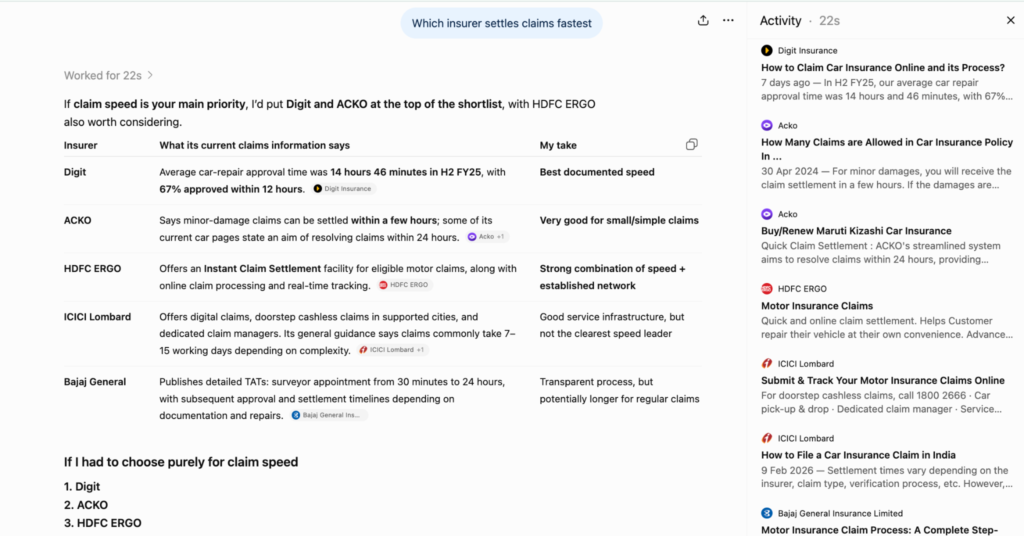
Source – ChatGPT
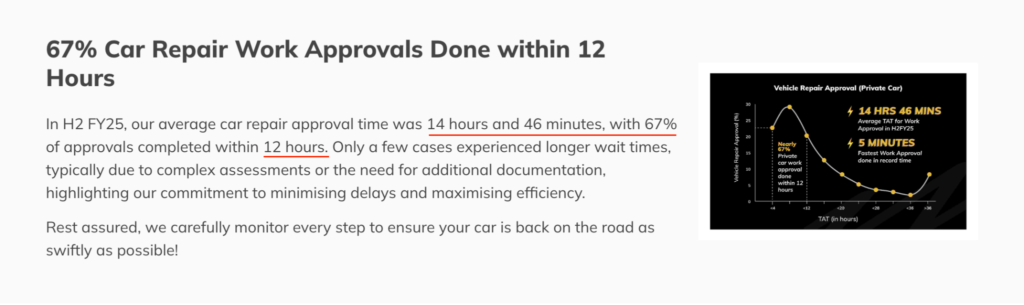
For example, Digit said the average repair approval time was 14 hours and 46 minutes in H2 FY25.
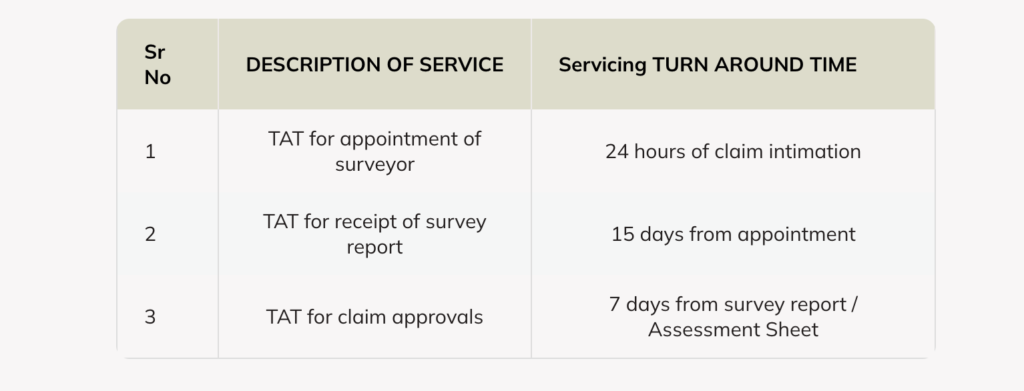
ICICI Lombard’s own page breaks the process into stages: a surveyor within 24 hours of claim intimation, a survey report within 15 days, and approval within 7 days after that.
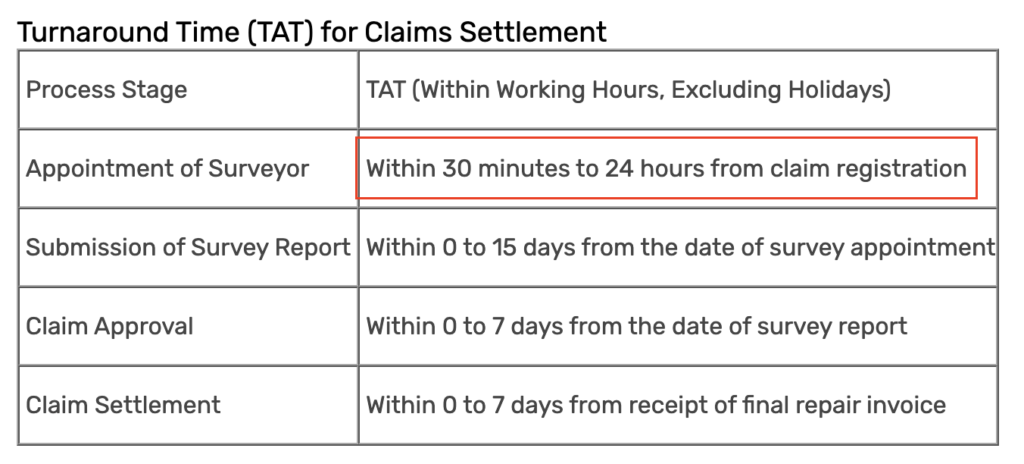
Bajaj General published a full turnaround-time table: with numbers like surveyor appointment within 30 minutes to 24 hours, claim approval within 7 days of the survey report.
Every one of them answered “how fast” with a number, not an adjective. HDFC ERGO and Acko called theirs “Instant Claim Settlement” and “aims to resolve claims within 24 hours.” Both still made it into the comparison.
That’s the pattern we saw surface across almost every insurer that made this shortlist. A number it can point back to becomes proof. A promise just becomes description.
If brand size were the real explanation, New India Assurance would have shown up too. Its 95.26% claims-paid-within-three-months figure, from the same IRDAI data, actually beats several private insurers in this study. But on the pages we reviewed, its claims content reads like a policy document: IDV definitions, personal accident clauses, nothing dated or specific enough to cite.
That’s really what separated the five brands from everyone else in this study. Not size, not reputation, just whether there was something specific enough on their own page for AI to point back to.
Reason 2: A Verifiable Product Difference Gives AI a Reason to Pick One Insurer
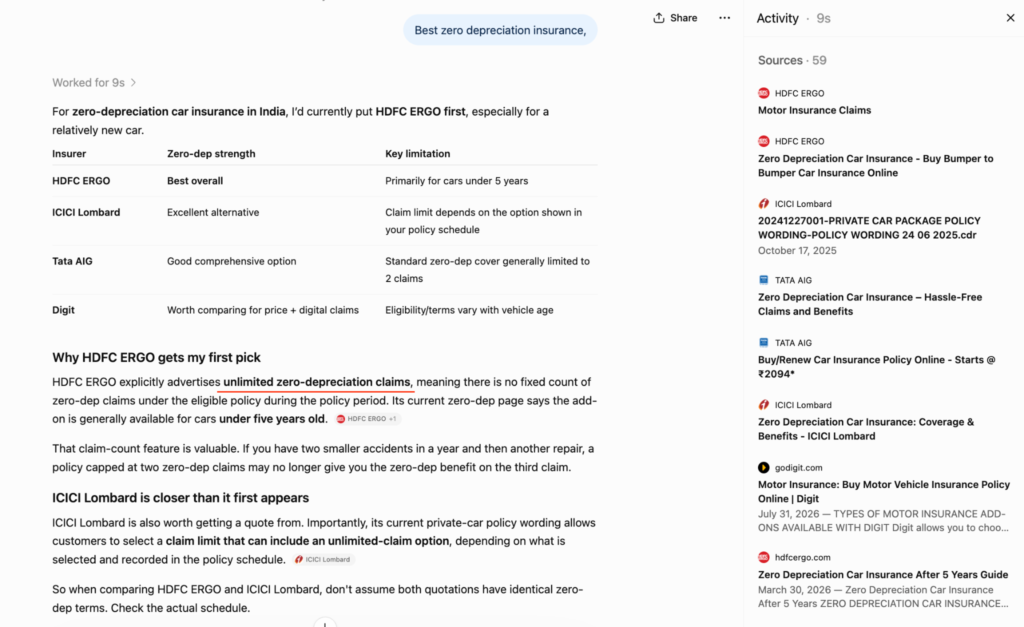
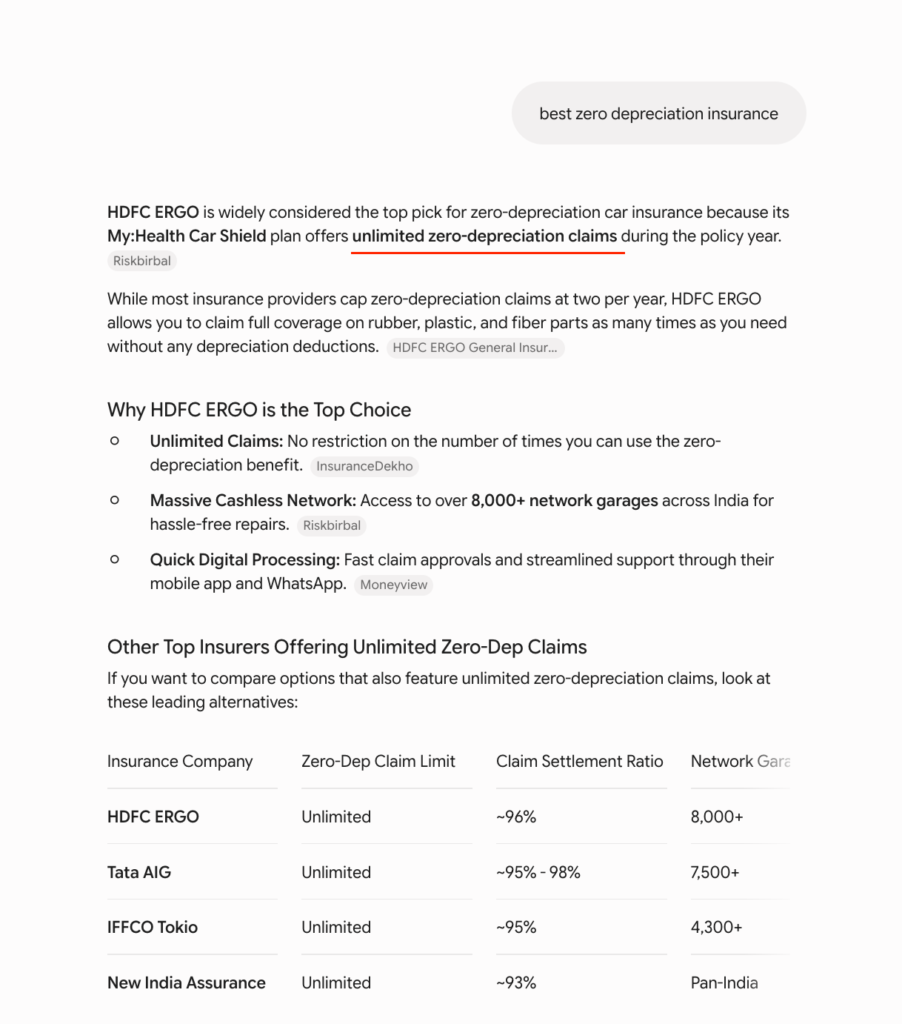
We wanted to check if this pattern applies to other keywords as well. So we searched for “Best zero depreciation insurance,” and HDFC ERGO came out on top on ChatGPT, citing the reason: it advertises unlimited zero-depreciation claims.
Source – ChatGPT
Gemini landed on HDFC ERGO for the same reason.
Source – Gemini
And so did Perplexity. That’s not a coincidence. HDFC ERGO’s page states the “no cap” line plainly, in the same words, right where a reader, or an AI model, would be looking for it. That’s not just a good product feature. It’s written in a way that’s easy to lift and repeat, which is likely why it kept showing up across platforms.

We checked that against the other four insurers in the same response. Digit caps the add-on at a specified number of claims per policy year. Tata AIG limits it to the first two claims in a policy period. And ICICI Lombard states a similar cap, generally two claims a year.
A buyer who files three or four claims in one year would notice this difference immediately. And when we checked it against every other insurer in that same answer, it held up. It wasn’t a nice-sounding line that happened to get repeated. It was true.
This particular comparison came down to one narrow question: does the cover have a claim limit, and HDFC ERGO was the only insurer with a clean answer to it. That’s why it was recommended by popular platforms as the best choice too.
4 Strategies Challenger Insurers Can Use to Improve Their AI Visibility
Every insurer in this study that got recommended had one thing in common: something on their page that AI could check and recommend with confidence. Here’s what that can actually look like, and how, as a motor insurance brand, you can build too.
1. Replace Vague Claims With Numbers AI Platforms Can Cite
Most insurer pages describe outcomes in adjectives: fast, hassle-free, seamless. None of that survives a check, because there’s nothing in it to check.
If you want to earn visibility, it is important to trade the adjective for a dated figure wherever one exists, like:
- Average time from claim filed to payout, by claim type, for the last quarter
- Percentage of claims settled without a physical inspection
- Cashless garage count, dated
- Average time from FIR to first payout on a total-loss claim
A number with no timeframe attached ages badly and starts to look like a guess. If you want it to rank, date it, and update it.
2. Make Your Strongest Product Difference Easy to Find
At some point, every buyer comparing insurers asks the same question: what’s actually different here? Most insurer pages don’t answer it. They list the same add-ons, the same garage counts, the same “24/7 support” line, which every competitor also has.
Winning visibility requires starting with one difference or USP that is unique to you, and none of which can be claimed by others, like:
- A cap other insurers carry that you’ve removed
- An exclusion competitors state that your policy doesn’t have
- A waiting period shortened where theirs stayed the same
That one line does more work than the rest of the page combined, because it’s the one thing a competitor’s page genuinely can’t say too.
3. Build Pages Around the Specific Questions Buyers Ask
HDFC ERGO, ICICI Lombard, Tata AIG, and ACKO have all built comparison content, how-to guides, listicles, and buyer-specific Q&As- hundreds of pages, each one answering a single question completely.
If you want to game visibility, it is important you answer Real buyer questions your users might be asking. It could be questions like:
- Does this policy cover water damage from a specific cause, not just “flood damage” broadly
- What happens if a claim is filed after the policy has technically lapsed
- How does NCB transfer when switching insurers mid-year
Each one, answered on its own category page, is a separate chance for AI to find something specific to cite, instead of one general page trying to cover everything at once.
4. Track What AI Learns Beyond Your Website
When we asked what people say about a specific insurer’s claims, rather than who’s best, Reddit conversations were used as sources both on ChatGPT and Perplexity. What users say about your product or policy matters too, and is worth tracking, even if it’s not yet proven to move a recommendation the same way.
That gets us to the end of our list. These companies are doing well, but it doesn’t mean they are unbeatable. You can start ranking too. Let me tell you how.
Want to Improve Your Motor Insurance Brand’s AI Visibility? We’re Here for You
None of the insurers in this study won by being bigger or by saying more. They won because they had something specific on their page it could verify and repeat with confidence. Not to mention the topical authority they built. If your brand’s page doesn’t have anything like that yet, that’s the actual gap, and it’s exactly what we at Concurate can help fix through our Perfect Match Framework.
We start by defining the buyer you’re actually trying to reach, then test the exact questions those buyers ask across AI platforms and Google AI Overviews. We look at where your brand shows up, where competitors show up, and whether AI understands your product correctly. From there, we build the content that closes the gap.
In fact, we recently helped a B2B financing platform get a 100% lift in AI referrals, a 315% surge in Google AI Overviews, and a 300% increase in qualified leads.
If you want to know exactly where your brand stands today, book a call with us.
More AI Visibility Studies From Concurate
If you want to see how this same pattern plays out in other categories:
- 3 Reasons Why AppFolio, Yardi, and Buildium Consistently Show Up in AI Answers
- Top 7 Endpoint Security Software AI Recommends and Why
- Why Apollo, Outreach, and Gong Dominate Sales Tech SaaS AI Visibility
Frequently Asked Questions
1. Do AI tools recommend the same motor insurance brands every time?
No, and we saw this firsthand while researching this piece. We asked Gemini the exact same question twice and got two different sets of sources back. That’s not a glitch; AI answers shift with the prompt, and the platform, even the moment you ask. That’s why this study leaned on patterns across 35 queries instead of treating any single answer as gospel.
2. Does it matter whether my brand is mentioned or actually recommended?
Yes, and this study found a clear example of the difference. Policybazaar showed up constantly across these searches, but almost never as the recommendation itself; it kept appearing as a source AI was pulling from to build its answer. Being cited and being recommended aren’t the same outcome, and each one calls for something different from your content.
Disclaimer: This article is based on publicly available information from insurer websites, AI-generated responses, and third-party platforms. The evaluation reflects our independent analysis, and we recommend checking each insurer’s website or speaking with their team for the latest details on coverage, pricing, and claim terms.