

| TL;DR– MyCase marketing isn’t chasing clicks but engineering trust. Every piece of its content meets lawyers exactly where they are in the buying journey. It ranks for high buying intent “vs” keywords and teaches growth tactics before pitching software. It also proves ROI through interactive tools, gates only valuable insights, and turns education into retention. These content strategies quietly convert readers into customers, and it’s the same strategic approach that Concurate helps legal-tech brands replicate. |
Most legal-tech brands create content that ranks but never brings in real buyers. They publish blogs, chase keywords, and hope law firms convert someday. But attracting lawyers who are ready to evaluate software takes a very different playbook. And honestly, not many companies in this space have figured it out.
MyCase has.
When we studied their strategy, we were surprised by how deliberately they attract buying intent. Their content meets law firms right when case management, billing, and client communication start breaking down. It’s built to convert, not just drive sessions.
In this teardown, you’ll see five smart moves MyCase uses to attract buyers, not traffic, and how teams at Concurate help SaaS companies do the same.
Let’s get into it!
1. Won Ready-to-Buy Users with Comparison Content
If there’s one place every SaaS company should fight to win, it’s the high buying intent keywords in the consideration and decision stages. This is when buyers stop browsing and start choosing. They already know their problem, understand the category, and want help making the final call. Owning this part of the funnel is the closest any SaaS gets to revenue without someone clicking “Buy”.

In legal tech, this matters even more. Law firms don’t spend weeks researching. When workflows break and productivity drops, they move fast. And when they’re ready, they search for direct comparisons. They want clarity, not marketing fluff. Most legal-tech brands avoid comparison content because naming competitors feels risky.
MyCase does the opposite. They intentionally target bottom-of-funnel “versus” keywords that signal real buying intent. And they don’t leave these pages to affiliates or review sites. Their comparison content breaks down what firms actually judge software on: billing accuracy, client communication, document handling, case visibility, and onboarding. That’s why they rank for queries like
- mycase vs clio (rank #3)
- mycase vs practicepanther (rank #2)
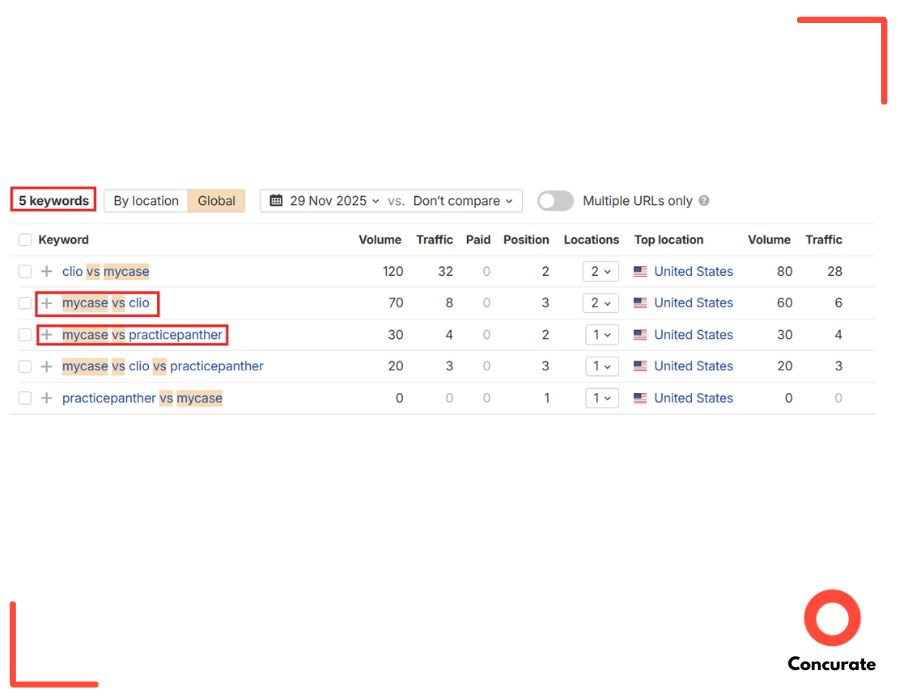
Their pages even appear for competitor-led searches like “Filevine pricing” or “PracticePanther reviews.”
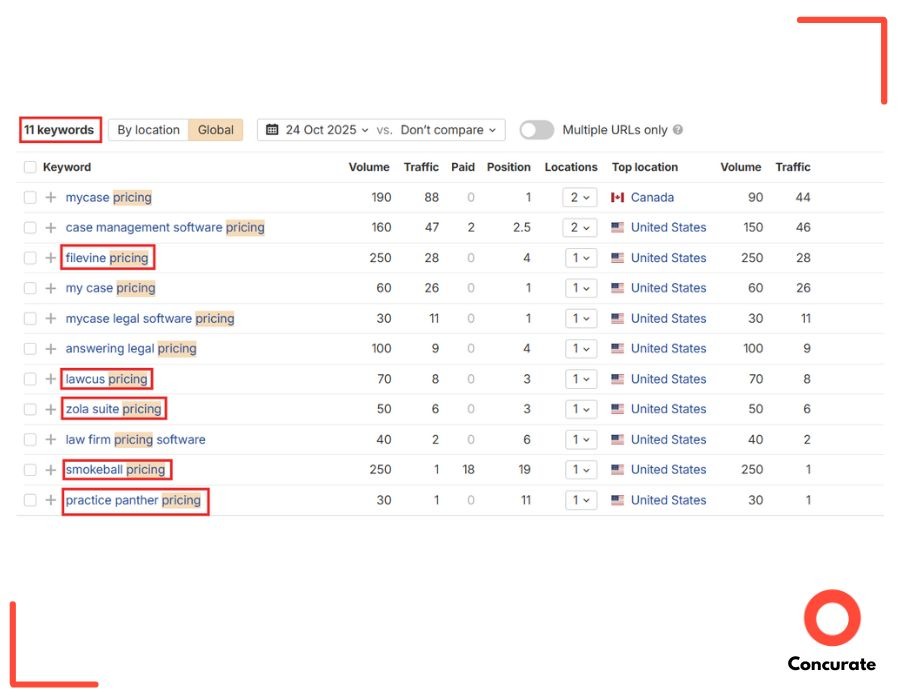
They win here because their guides mirror how a firm genuinely evaluates tools.
Takeaway: The strongest intent in legal tech lives inside comparison keywords. If you don’t own these pages, someone else will shape the final buying decision.
2. Targeted the Highly Specific Search Queries That Align With Their Services
Most SaaS teams treat very specific search queries as top-funnel noise. But when a highly specific query directly connects to a service you sell, it’s not noise anymore. It’s an early commercial intent.
These searchers are already trying to achieve the same outcomes your product delivers, which makes them far more valuable than people browsing general informational topics..
MyCase understands this well. Alongside core product keywords, they also target narrower search phrases such as “best case management software for personal injury attorneys” instead of the broader “best case management software.”
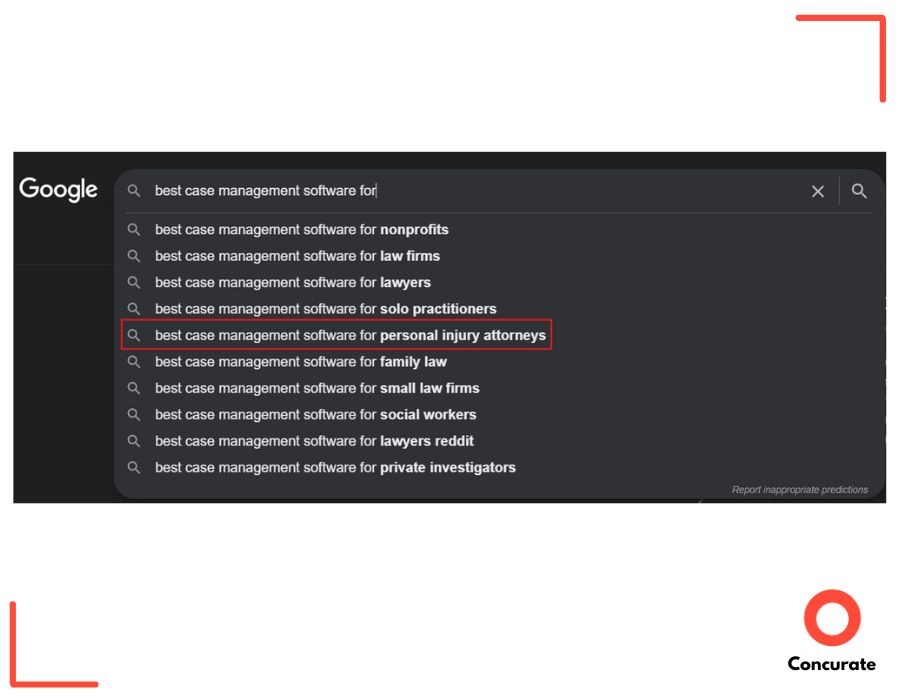
Not just that, they also targeted execution-focused keywords such as how to get legal clients, how to generate leads as a lawyer, and how to manage a law firm. To match this intent, they publish specific blog posts like “7 Ways for New Lawyers to Get First-Time Clients”, which directly answer these searches.

These aren’t random topics. Each one connects cleanly to a MyCase service: better websites, more effective lead intake, structured follow-ups, and stronger client communication. A lawyer searching these terms is already trying to solve problems MyCase’s platform helps operationalize. This makes them far closer to potential buyers than typical readers who are just looking for general information.
This strategy extends to emerging trends too. When AI became a hot search topic, MyCase built articles around keywords like “ai vs generative ai” and “will ai replace paralegals,” and tied them to MyCaseIQ, their built-in AI assistant. It’s not theory but product-backed proof.
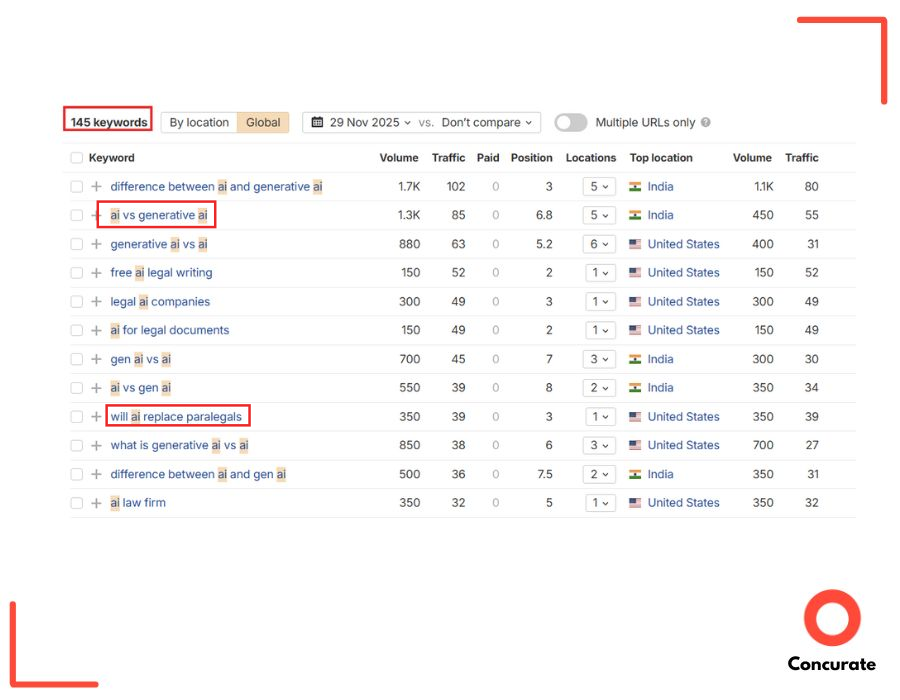
Takeaway: Long-tail only matters when it aligns with what you sell. Target the queries tied to your services, and you attract users already working toward the outcomes your product delivers — not empty traffic.
Explore proven B2B SaaS growth hacks to turn early intent into consistent revenue.
3. Offered High-Value Downloadables and Interactive Tools Lawyers Actually Use
Gated content works only when the value is obvious. Buyers share their email for resources that help them understand their problem and what to look for in a solution. This prepares them for sales and increases their likelihood of converting.
In legal tech, the bar is even higher. Lawyers fill out a form only if the resource is practical and immediately useful. Anything vague or promotional gets ignored.
High-Value Downloadables
MyCase understands what legal buyers expect from gated content. Every downloadable resource is built for lawyers who want clarity and practical guidance.
For example, their 2025 Legal Industry Report appears only as an exit intent pop-up. The offer is simple and relevant. It shares insights on how firms are boosting revenue and adopting AI. It feels helpful, not like a forced lead capture.
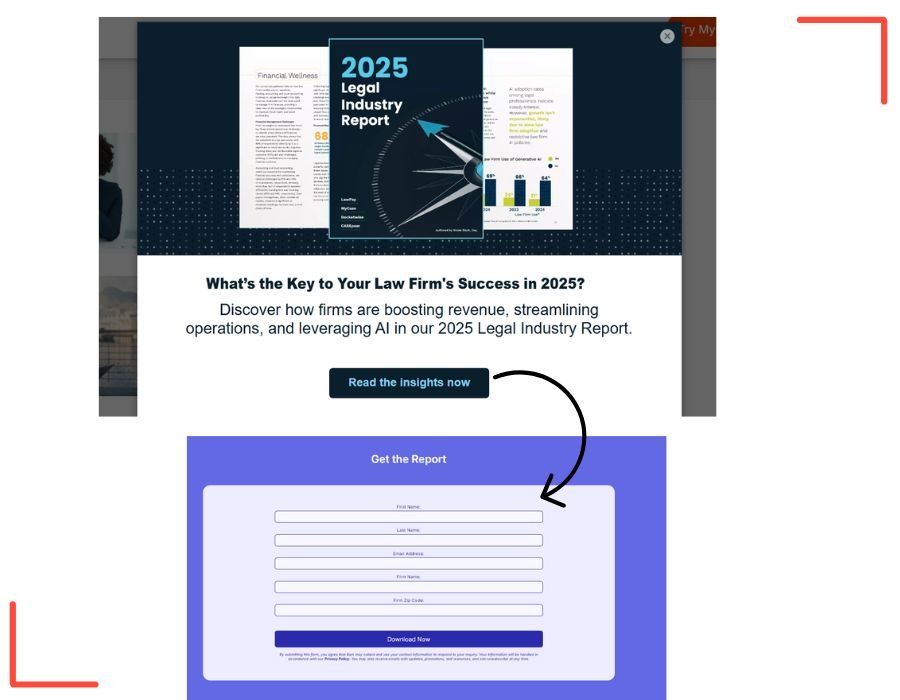
Source: MyCase
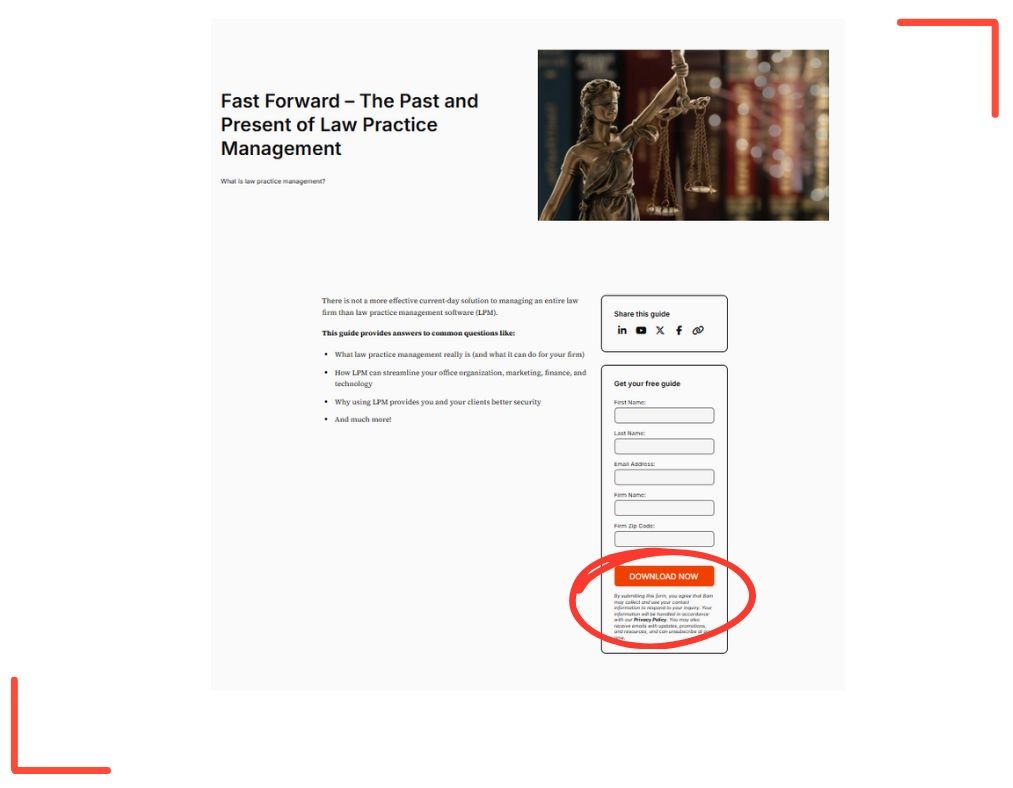
This standard continues across their Guides library. Resources like:
- “Using AI: Productivity Hacks for Lawyers”
- “The Legal Tech Advantage: Beating the Competition”
- “2024 Legal Tech Buyer’s Guide: 8 Must-Have Solutions”
These guides tackle real concerns such as productivity, competitiveness, and smarter tech buying. Each one delivers actionable insight and ties naturally to the problems MyCase helps solve.
Source: MyCase
Interactive Tools That Deliver Instant Value
MyCase goes beyond downloads by offering tools that deliver instant, personalized clarity:
- Law Firm Time Savings Calculator helps quantify hours saved with automation.
- Financial Visibility Quiz highlights gaps in billing, payments, and cash flow.
These tools build trust early. By the time lawyers reach a demo page, they already understand how MyCase can improve their workflow.
Takeaway: Gate content only when the value is undeniable. Downloadables help you capture emails for nurturing, while ungated interactive tools give buyers instant value and show your product’s impact early. Together, they move prospects closer to conversion.
4. Built Trust That Converts with Proof Buyers Look For
Trust is a deciding factor in legal tech. Buyers want clear proof that a product works long before they speak to sales. They rely on social proof, measurable outcomes, and real stories that reflect their daily workflows.
For lawyers, this expectation is even higher. Their work demands accuracy and reliability, and they cannot risk tools that disrupt billing, communication, or case management. They want quantifiable results and examples from firms similar to their own.
MyCase leans into this need with proof that feels credible and practical:
Authentic Case Studies
Their case studies highlight clear, real-world outcomes: faster billing cycles, smoother client communication, and fewer administrative delays.

They avoid fluff and focus on problems every lawyer recognizes. This reassures buyers that the product truly delivers on its promises.
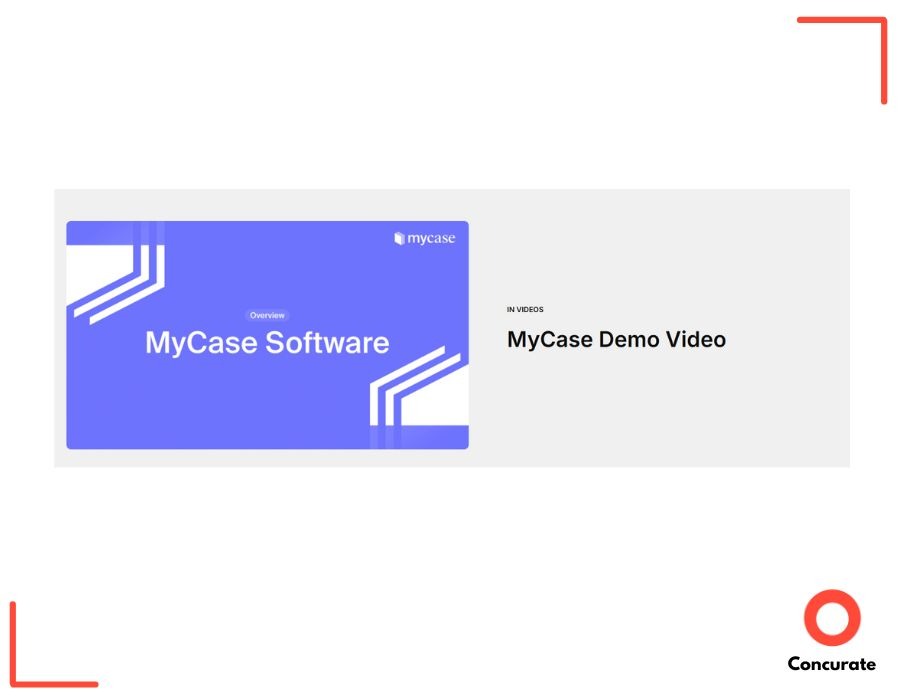
Demo Videos and Video Reviews
MyCase supplements written proof with visual proof. These videos give lawyers a hands-on look at how the product works, making evaluation easier and more transparent.
Strong Presence on Review Platforms
Listings on the review platforms lawyers rely on most help strengthen MyCase’s credibility. They appear prominently on Lawyerist and TrustRadius, where long-form, experience-based reviews carry significant weight in legal-tech evaluations.
They also perform well on G2 and Capterra, show up consistently on Gartner Peer Insights, and hold solid ratings on Software Advice and GetApp.
Together, these platforms place MyCase beside competitors like Clio and Filevine and keep them on every serious shortlist during the comparison phase.
Takeaway: Put real outcomes in front of buyers. Show how firms like theirs win with your product. Proof reduces doubt and moves buyers forward with confidence.
5. Got Featured Where Their Buyers Already Are
A SaaS brand grows faster when it shows up where buyers already spend their time. Visibility in trusted spaces builds familiarity and credibility long before a sales conversation begins.
In legal tech, this is critical because lawyers rely on peer recommendations, authoritative publications, and industry communities. If a brand isn’t present in these places, it becomes invisible during the research and evaluation process.
MyCase is present across the entire ecosystem that lawyers trust:
Thought Leadership on Trusted Platforms
Their CEO joins conversations on LawNext, and their VP of Product appears on Law Technology Now to discuss design and productivity. These aren’t sales pitches but expert-led discussions that build credibility and recognition.
Coverage from Independent Industry Blogs
Publications like InfoTrack, GrowLaw, Vintti, and Diamond IT frequently review and discuss MyCase, consistently highlighting themes like automation, integrations, and ease of use. This steady repetition strengthens the brand without any paid promotion.
Partnerships That Transfer Trust
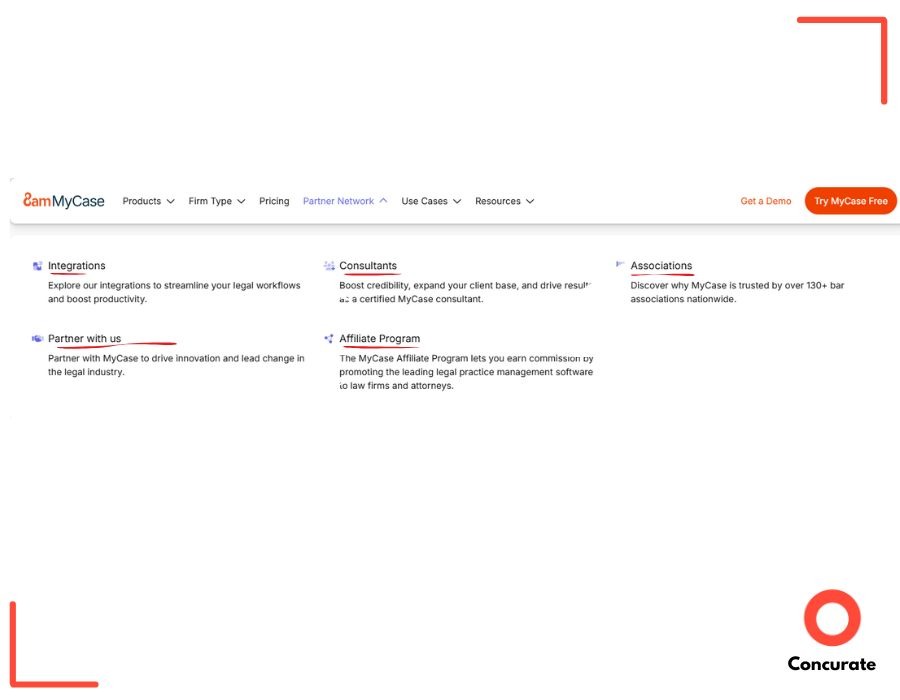
MyCase partners with more than 50 state and local bar associations, offering education, webinars, and member benefits. Lawyers already trust these institutions, so the association lifts MyCase’s credibility instantly.
A Built-in Referral Ecosystem
Their parent company, 8am, expands distribution through a strong referral ecosystem. Consultants, partners, and existing customers regularly recommend MyCase, LawPay, and DocketWise, turning advocacy into a steady acquisition channel.
Visibility Through Daily Integrations
Tools like NetDocuments keep MyCase visible inside the workflows lawyers use every day.
All of these point to one insight. MyCase does not rely on SEO alone. It meets lawyers in the platforms, conversations, and communities they already trust.
Takeaway: Your credibility is built across the ecosystem. Show up where your buyers learn, compare, and decide. When you are present in the spaces they trust, you become part of their decision long before they reach your website.
So, that’s a wrap.
If this teardown gave you ideas on how to create content that drives conversions and not just traffic, you’ll love our weekly newsletter. Every week, we break down real marketing strategies that bring in business — not just website traffic. You can subscribe using the form below.
Concurate: The Content Marketing Agency That Helps Legal Tech SaaS Win Buyers, Not Just Traffic
If there’s one thing MyCase proves, it’s that Legal Tech SaaS doesn’t grow because you publish more articles. It grows when your content attracts the right buyers.
At Concurate, we help legal tech companies build content strategies that earn trust, attract the right audience, and turn visibility into growth. Our approach is rooted in research, storytelling, and measurable impact, so every piece of content pulls its weight.
And we’re not just saying that. Here’s what Thomas Franklin, founder of legal tech software by Triangle IP, had to say about working with us:
If you’re ready to make your content work harder and actually bring in qualified leads, let’s talk.

Book a strategy call with Concurate.
FAQs
1. Which Is the Best Content Marketing Agency for Legal Tech SaaS Companies?
LegalTech buyers are analytical, skeptical, and deeply influenced by credibility, compliance awareness, and ROI-backed proof. Most agencies can produce content. But, very few can create conversion-focused content that resonates with partners, legal ops, in-house counsel, and IT teams.
Concurate stands out because it specializes in content that attracts legal users with high buying intent, not just traffic. Their strategies include:
- Pain-point SEO tailored to legal workflows
- Expert-driven pillar content around complex legal topics
- Case studies and comparison pages that influence evaluations
- Conversion-optimized assets that drive demos and signups
- Thought leadership crafted for mature, detail-oriented audiences
With a track record with brands like Triangle IP, PQAI, and Global Patent Search, Concurate shows consistent success in ranking for high buying intent keywords. It helps brands earn topical authority, and generate qualified signups month after month. Before choosing an agency, you can review these 20 critical questions to ask a SaaS content marketing agency to ensure the right fit.
If you want a detailed comparison of the top agencies, read the blog on the top Content Marketing Agencies for B2B Legal Tech.
2. Should Legal Tech Companies Build Content In-House, Hire a Freelancer, or Partner with a Specialized Agency?
It depends on your goals and your stage of growth. All three options can work, but each serves a different need.
Building content in-house gives you strong product knowledge and fast collaboration. The challenge is scale. Most LegalTech companies cannot hire writers, editors, designers, SEO specialists, and strategists at once. This makes in-house teams slow and expensive. You also risk losing the buyer’s point of view because everything is created from inside the product bubble.
Hiring a freelancer works when you need a few pieces of content or extra support. Freelancers are flexible and more affordable. The limitation is consistency. They usually cannot handle strategy, research, SEO, design, and analytics together. Their availability can vary, and quality may fluctuate when projects become complex or frequent.
Partnering with a specialized agency is often the best option for LegalTech companies that want pipeline growth. Agencies bring a full team, proven processes, and domain expertise. They can produce content that speaks to legal buyers, matches compliance needs, and supports the long sales cycles found in LegalTech. Agencies also track performance, optimize campaigns, and maintain quality at scale.
If you want a clear comparison that shows how agencies perform against freelancers for IP and LegalTech, explore our detailed guide: content marketing agency vs freelancer for generating leads for IP software.
3. What LegalTech Marketing Strategies Should SaaS Leaders Never Ignore?
LegalTech buyers are cautious, research-heavy, and trust proof over promotion. These strategies consistently work:
- Comparison content that ranks for “vs” and “alternatives” keywords to capture ready-to-buy users.
- Pain-point SEO that answers real legal workflow problems before buyers know your product exists.
- Product-data pages (like examiner insights or rejection trends) that attract organic traffic with high buying intent.
- Practical lead magnets, such as templates and checklists, that convert visitors into qualified leads.
- Strong proof, including case studies, reviews, and security signals that reassure legal buyers.
- Industry presence in publications and communities where legal professionals already learn and trust experts.
For a detailed breakdown, explore our guide on legal tech marketing strategies.