

| TL;DR: This article breaks down the best social media marketing campaigns of 2025 — including Pepsi’s #MyCokeBreakUp, Duolingo’s “Duo Is Dead,” Dyson’s Airbrow prank, Spotify Wrapped, and the Gwyneth Paltrow x Astronomer comeback. These viral marketing campaigns stood out for simple ideas, emotional hooks, fast reactions, community engagement, and strong storytelling. |
I spend an unhealthy amount of time online. Reels, trends, memes, chaos — all of that is my natural habitat. And nothing excites me more than watching a brand drop a campaign so funny, clever, or unhinged that the whole internet freezes for a second.
As someone who loves creativity and the way ideas travel on social media. One post. One hook. One moment. Suddenly, millions of people are watching, sharing, laughing, and arguing. It still fascinates me how fast things spread and how deeply they connect us.
That’s why I wanted to write this blog. I love breaking down the best social media marketing campaigns, replaying them like movies, and asking: Why did this work? What made people care? What’s the spark behind it?
And honestly, AI didn’t kill creativity — it just pushed it into a new universe. Small creators are going viral with big ideas, and big brands are going even bigger. It’s fun to watch.
So here it is.
The top five campaigns of 2025 that grabbed my attention, made me think, made me smile, and made me admire how wild and smart marketing can get.
Let’s get into it.
What Are Social Media Campaigns?
A social media campaign is when a brand takes deliberate actions online to get people talking, reacting, sharing, or buying. That’s it.
Not random posts. Not “hey, good morning” posts.
A campaign means:
- One clear idea
- one goal
- one message
- Pushed across platforms like Instagram, X, TikTok, YouTube, etc.
Think of it like this:
A brand drops a story, a meme, a prank, a challenge, or a twist big enough that people stop scrolling and go, “Hold up… what is this?”
That moment — that spark — is a social media campaign.
Simple. Fun. Strategic.
A creative move designed to blow up on your feed.
How Did I Choose the Best Social Media Marketing Campaigns of 2025
After scrolling through endless campaigns this year, these five just wouldn’t leave my head. They kept replaying like a viral reel audio I didn’t even save. Here’s the lineup that stuck with me:
• Pepsi — #MyCokeBreakUp
• Duolingo — Duo Is Dead Saga
• Dyson — Airbrow April Fools’ Prank
• Spotify — Wrapped 2024 to 2025 Edition
• Gwyneth Paltrow x Astronomer — The PR Comeback Nobody Expected
A corporate scandal flipped into entertainment with one perfectly ironic cameo.
Each of these campaigns did the same thing to me: they stuck with me. They had that spark. That “wait, WHAT?” moment. Simple ideas turned into unforgettable internet moments. And honestly, they were looping in my mind nonstop — so naturally, they made it into this top five.
Pepsi #MyCokeBreakUp: When a Brand Uses Memes to Start Drama
Pepsi saw the internet dragging the new Coke Zero Sugar formula and said, “Cool, let’s make this a breakup.” And they did. They literally launched a campaign asking people to post photos holding Pepsi Zero Sugar with the hashtag #MyCokeBreakUp — and they’d refund the drink plus throw coupons at you like confetti.
It was petty, bold, perfectly timed marketing chaos.
While Coke was busy asking if their new version was the “Best Coke Ever,” Pepsi used memes, social listening, and one brilliant moment of vulnerability to flip the narrative. They even backed it with blind taste-test claims, saying Pepsi Zero Sugar tasted better, which only fueled the meme fire.
Twitter (X) went crazy.
People were posting breakup letters to Coke. Pepsi’s official handle joined the fun with a cover image that looked straight out of a dramatic rom-com poster. It was everywhere.
My reaction?
Absolutely obsessed.
This campaign is proof that sometimes all you need is a trending complaint, a smart twist, and a meme-powered spark to make the internet explode.
Short, simple idea. Massive impact.
Duolingo “Duo Is Dead”: The Chaotic Marketing Era Continues
Duolingo woke up one morning and chose drama. They didn’t reinvent the wheel, they didn’t rebuild marketing — they just killed their mascot. Literally announced that Duo was dead. And the internet lost its mind.
I mean, people die… but mascots?
Apparently yes. Because Duolingo pulled this stunt and instantly went viral.
The wild part? It all started because the team updated their app icon, and Duo’s eyes accidentally looked like little Xs. Instead of fixing it, they leaned into it. Six days later — boom — “Duo is dead” becomes a full campaign.
Searches spiked, memes exploded, and suddenly everyone was talking about Duolingo again. Free publicity just because their bird “died.”
And of course, in true Duolingo fashion, they later revealed it was all a hoax. They revived their popularity by claiming their mascot didn’t survive. Using “death” as a marketing tool? Absolutely unhinged. Absolutely effective.
This is peak 2025 marketing energy.
Dyson Airbrow: The April Fools’ Prank That Looked a Little Too Real
Dyson really said “April Fool’s, but make it high-tech.” They dropped a hyper-realistic AI video of a tiny eyebrow–styling tool called the Dyson Airbrow — basically a mini Airwrap for your face — and the internet instantly fell for it.
The video hit millions of likes on Instagram. People started hunting for the product, asking about the price, and searching “Dyson eyebrow tool real??” as if it were a national emergency. That’s how clean the execution was. Ultra-real visuals. Perfect branding. Zero hints that it was fake.
The twist?
It was just an April Fools’ prank.
And Dyson used AI to make the whole thing look so believable that no one even questioned it at first.
Simple idea. Maximum chaos. Instant PR win.
They used April Fools’ Day, AI, and one tiny fake product to make the entire internet talk about Dyson again.
That’s how you prank and go viral.
Gwyneth Paltrow x Astronomer: The PR Comeback Nobody Expected
This whole thing felt like a plot twist written by the internet itself. Astronomer had a full-blown PR disaster when their CEO and Chief People Officer were caught on a kiss cam at a Coldplay concert. Yes, a data company went viral… for romance drama. The clip went viral online, and people began speculating; both executives eventually resigned.
And then comes the comeback.
Instead of hiding, Astronomer teamed up with Ryan Reynolds’ agency, Maximum Effort, and somehow hired Gwyneth Paltrow as their temporary spokesperson. The irony? She’s Chris Martin’s ex. So now the internet that exposed them was watching them joke about it with the person most connected to the scandal. You cannot script this level of meta.
Here’s what she said
In the video, Gwyneth sits calmly at a desk, answering “frequently asked questions” like
“OMG! What the actual f?”
By completely ignoring the scandal and selling Astronomer’s data tools with her signature dry humor. She even fake-faints. It’s chaotic elegance.
Was this originally a mistake?
Was the comeback planned?
Was this the universe playing marketing chess?
Who knows.
But one thing is clear: they took negative PR, spun it into entertainment, and executed the comeback like absolute legends.
This is not just crisis management.
This is ultra comeback mode activated.
Spotify Wrapped: The Campaign That Owns December Every Single Year
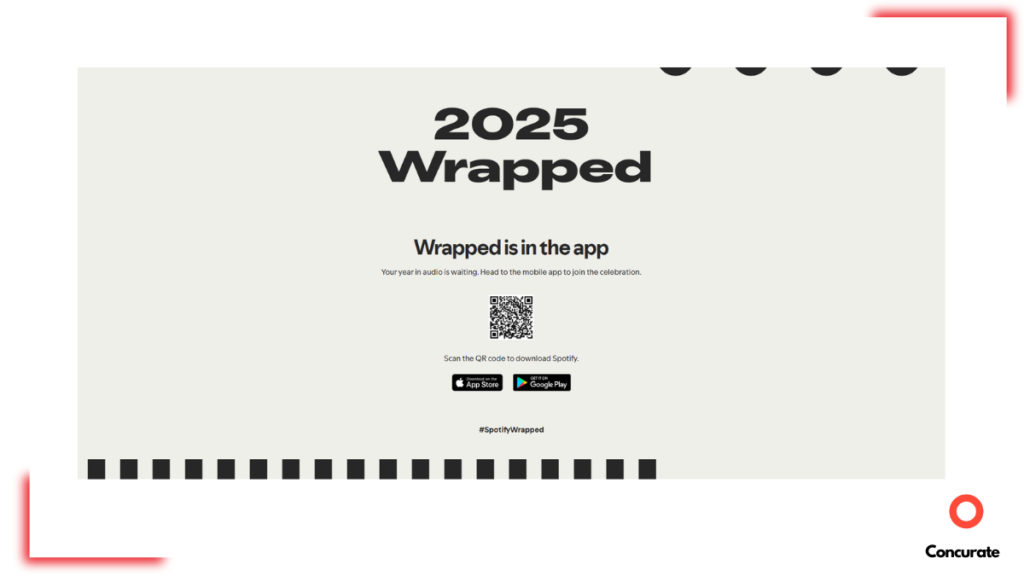
Spotify Wrapped drops every December, and boom — the whole internet turns into a music personality contest. It’s the one campaign that repeats every year and still goes viral like it’s brand new. That’s the power of something deeply personal.
Source – Spotify
Wrapped works because it exposes people’s real listening habits. Not the cool, aesthetic playlists they pretend to love — but the actual songs they played on loop at 3 AM. And that’s the funniest part. Someone with an “I only listen to indie” vibe ends up with a ’90s Bollywood track as their number one. People get humbled instantly, and they love it.
Source – Reddit
The shareability is insane.
Everyone posts their stats. Everyone compares. Everyone judges.
And that’s exactly why it blows up every year.
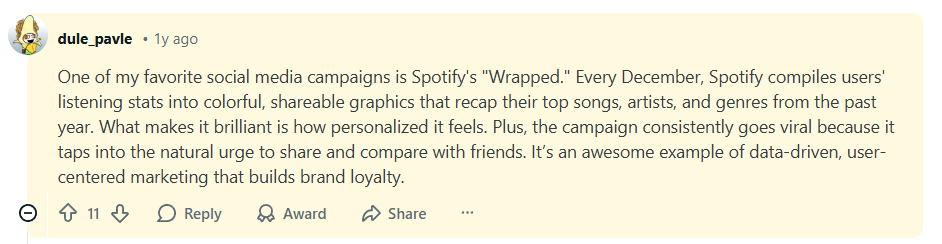
Wrapped is basically data storytelling plus emotional connection. It makes people feel seen, called out, exposed, and proud — all at once. It turns music taste into a personality quiz that the whole internet participates in.
Simple formula, massive impact.
Spotify didn’t just make a campaign — they created an annual ritual.
What Do These Campaigns Teach Us About Social Media in 2025
If 2025 proved anything, it’s this: anyone can blow up now. Brands, creators, mascots, prank videos, even accidental PR disasters — anything can turn viral if the creative spark lands at the right moment.
And the tools?
They’re more accessible than ever. Google’s Gemini offers free tiers; Perplexity offers a free version; Airtel has partnered to provide users with complimentary access for a limited time; and ChatGPT offers free global usage. Many student programs also include discounted or complimentary access to premium AI tools.
So yes — powerful tech is literally in everyone’s hands.
With AI making execution faster and easier, creativity becomes the real differentiator. The gap between idea and implementation is tiny now. If you can think it, you can make it.
That’s why the standout campaigns of 2025 all share the same recipe:
- simple idea
- fast reaction
- emotional or humorous twist
- community involvement
- And creativity that hits at the perfect moment
If you’re a founder, a marketer, or a creator, this is your playground. Watch trends. Jump in early. Mix the right spices. Make the curry the internet didn’t know it was craving. Because today, virality isn’t about budget — it’s about the story that clicks.
Join our newsletter for those curry updates
Frequently Asked Questions
1. What is the Nano Banana AI trend, and why is everyone obsessed with it?
Nano Banana is a viral trend in which people use AI tools like Google Gemini to turn their photos into tiny, ultra-realistic figurines. It took off because it’s easy, free, and looks highly compelling. One prompt, one picture, and suddenly you’re a miniature collectible.
It’s the perfect mix of fun, identity, and shareability — basically viral fuel.
2. How can brands use AI trends like Nano Banana to go viral?
Simple — don’t overthink it. Brands can join viral AI trends by:
- Recreating their product as a figurine
- letting customers generate their own AI versions
- running UGC challenges
- telling a fun story using the trend
People love it when brands play along. It makes them feel human. And in 2025, that’s half the game.
3. What actually makes a social media campaign blow up in 2025?
It’s not the budget. It’s the moment.
Campaigns go viral when they are:
- Simple to understand
- fast to react
- emotionally or humorously relatable
- easy to share
- slightly unhinged (optional but helpful)
If it makes people stop scrolling and go “WAIT—what?”, it has a chance to go viral.
4. Are social media campaigns still effective, or is it all luck now?
They’re absolutely effective — but strategy looks different now. With AI, free tools, and fast trends, anyone can create. So success comes from creativity, speed, and connection, not just planning.
It’s not luck. It’s timing + idea + execution + the internet’s mood that day.
If you hit all four, you win.